
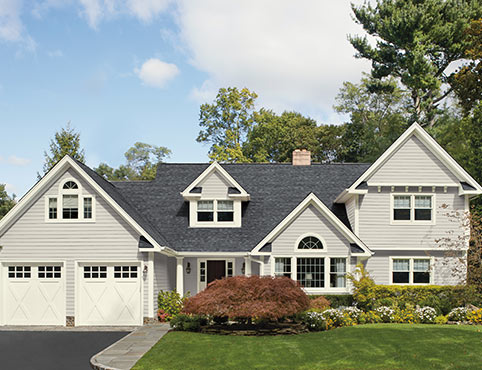
Painting sound vinyl siding can be a practical exterior update, but vinyl behaves differently from wood or masonry. It expands with heat, sheds contaminants unevenly and can distort when an unsuitable dark color absorbs too much solar energy. Product and color selection must therefore come before the decorative decision.
Confirm that paint is the right repair
Replace warped, brittle or poorly attached panels before coating. Correct leaks, failed flashing and moisture problems, and verify that the siding can move freely. Paint improves color and finish; it does not correct structural installation problems.
Clean away chalk, mildew and atmospheric dirt using methods approved for the substrate, then allow the surface to dry thoroughly.
Choose a vinyl-safe system
Use a premium acrylic exterior coating approved for vinyl and select a color identified as safe for the original siding. A dramatically darker conventional color can absorb excessive heat and contribute to warping.
- Follow the paint line's vinyl guidance
- Avoid painting in direct, hot sun
- Maintain the recommended spread rate
- Keep joints and weep paths functional
Plan for movement and weather
Apply when the substrate and air temperatures are within the product requirements and stable through the drying period. Work one elevation at a time, maintain a wet edge and do not force paint behind overlapping panels where movement must continue.